3,000 Nomination Papers Needed
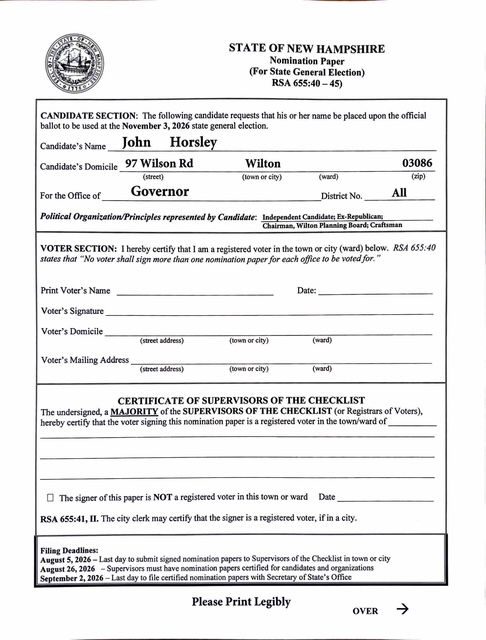
Getting a candidate’s name on the ballot for a state general election is a critical step in the democratic process. One key requirement is submitting a specific number of nomination papers. In many states, this number is set at 3,000. This post explains why this number matters, how candidates can meet this requirement, and what the process looks like in practice.
Why 3,000 Nomination Papers Are Required
The requirement to submit 3,000 nomination papers ensures that candidates have a minimum level of support before appearing on the ballot. This threshold helps election officials manage the ballot size and maintain an orderly election process. It also prevents frivolous or non-serious candidates from cluttering the ballot.
The number 3,000 is not arbitrary. It balances accessibility with seriousness. It is high enough to show genuine community backing but low enough to allow grassroots candidates a fair chance. This number varies by state and office, but 3,000 is common for many state-level positions.
What Are Nomination Papers?
Nomination papers are official forms signed by registered voters who support a candidate’s bid for office. Each paper typically includes:
The voter’s name and address
The candidate’s name
The office the candidate seeks
The voter’s signature confirming support
Collecting these signatures is a grassroots effort. Candidates often rely on volunteers, campaign staff, and supporters to gather signatures from eligible voters within the district or state.
How Candidates Collect Nomination Papers
Gathering 3,000 valid signatures requires planning and organization. Here are some practical steps candidates take:
Identify target areas: Focus on neighborhoods with high voter turnout or strong support.
Train volunteers: Teach them how to approach voters and explain the nomination process clearly.
Use public events: Set up booths at fairs, markets, or community gatherings to reach many people quickly.
Verify signatures: Check that signers are registered voters in the correct district to avoid disqualification.
Collect extra signatures: Aim for 10-20% more than required to account for invalid or duplicate signatures.
For example, a candidate running for state legislature might organize weekend canvassing teams to visit local neighborhoods. They might also partner with community groups to reach a wider audience.
Legal Requirements and Deadlines
Nomination papers must meet specific legal standards. These include:
Format: Papers must follow state election board guidelines.
Signatures: Only registered voters in the relevant district can sign.
Submission deadline: Papers must be submitted by a fixed date before the election.
Missing the deadline or submitting incomplete papers can disqualify a candidate. Therefore, candidates often submit papers early to allow time for corrections or additional signatures.
What Happens After Submission
Once nomination papers are submitted, election officials review them. They verify:
The number of valid signatures
That all signatures come from eligible voters
Compliance with formatting rules
If the candidate meets the 3,000 signature requirement, their name is placed on the ballot. If not, the candidate may be disqualified or asked to submit additional papers if time allows.
Real-World Example
In a recent state election, a candidate for governor needed 3,000 nomination papers. The campaign set a goal of collecting 3,600 signatures to ensure a buffer. Volunteers canvassed neighborhoods, attended community events, and used social media to recruit signature gatherers.
Despite some signatures being invalidated due to voter registration errors, the candidate submitted 3,200 valid papers on time. This effort secured a spot on the ballot and demonstrated strong community support.
Tips for Candidates
Start early: Signature collection can take weeks or months.
Keep organized records: Track where and when signatures were collected.
Educate signers: Explain the importance of their signature and the candidate’s platform.
Use technology: Some campaigns use apps to track signatures and verify voter registration.
Stay compliant: Follow all state rules to avoid disqualification.
What Voters Should Know
Voters who sign nomination papers play a crucial role in democracy. Their support helps determine which candidates appear on the ballot. It is important for voters to:
Confirm they are registered in the correct district
Understand the candidate’s platform before signing
Know that signing a nomination paper does not commit them to vote for that candidate in the election
Summary
Submitting 3,000 nomination papers is a key step for candidates seeking election in many states. This requirement ensures candidates have genuine support and helps maintain an organized ballot. Candidates must plan carefully, collect signatures strategically, and meet all legal requirements to succeed.
Nomination Paper Locations
MILFORD, NH
Teddy's Barber Shop, 263 Union Square, Milford, NH (The Oval) - A casual 20th-century-style barber shop featuring haircuts, beard trims and shaves, along with friendly staff.
Comments